
See how combining method and strategy
can transform
your building process
Elevate Your sustainability
Companies Leading the Way
Notable Companies
-
Pretty Plastic (Amsterdam) recycles PVC building waste—like guttering and frames—into stylish, durable cladding panels that are 100% recycled and recyclable.
-
Aectual uses digital design and large‑scale 3D printing with bio‑based and recycled materials or custom facades, furniture, and flooring.
-
INDRESMAT (Spain) develops biosourced polyurethane (BioPUR) for high-performance windows and doors with excellent thermal and acoustic properties.


Aectual

Tierrafino is a company that has been in operation for over 30 years and provide 100% natural fine earth plaster. With years of experience their products have been used in a variety of buildings from Amsterdam, London, Germany, Belfast, Austria and many more ...
The Positive Impact of sustainable and eco conscious buildings
The Positives of Using Eco Materials in Construction and Renovation

Environmental Benefits
Eco-friendly materials such as mass timber (CLT, glulam), hempcrete, recycled panels, and bio‑based composites significantly lower embodied energy and carbon emissions. The built environment contributes around 37% of global CO₂ emissions, driven largely by high‑emission materials like concrete and steel. Switching to timber-based alternatives could reduce CO₂ emissions by 14–31% and fossil fuel use by 12–19%.
Health & Comfort
Natural and recycled materials—like hemp, clay, straw, and biomass composites—are typically low in harmful chemicals and VOCs, promoting healthier indoor air quality. Some studies even show that using natural wood in interiors can reduce stress and improve concentration.
Eco materials in buildings
Mission and Values

Energy Efficiency:
Many green materials, such as insulated concrete forms or triple-glazed windows, improve thermal performance, which reduces energy consumption for heating and cooling. Studies show that buildings constructed with eco materials can achieve up to 30% more energy efficiency, leading to substantial cost savings over time.
Well-being:
Eco materials are typically free from volatile organic compounds (VOCs), which can be harmful to human health. This leads to better indoor air quality, contributing to improved well-being and productivity. The World Health Organization has linked indoor pollutants from traditional materials to respiratory issues, making the shift to eco alternatives a public health priority.
Progress Your Sustainability Goals
Companies Leading the Way
-
Biobound integrates miscanthus (an elephant grass) into concrete-like products—low-carbon pavers, cladding, and street furniture.
-
Material Cultures, a London-based ecological design studio, works with natural residues like bark, pine needles, straw, and foamed glass to craft structural and insulating elements that reduce industrial waste and carbon emissions.
-
Madaster provides a digital materials passport platform, cataloguing material origins and facilitating reuse to support a circular construction economy.
-
Econcreed develops lightweight prefab building materials using biobased additives like miscanthus—supporting CO₂ sequestration and sustainable biomass utilization.


Embracing eco-materials—from timber, hempcrete, recycled plastics to bio-based polymers—yields clear benefits in emissions reduction, indoor health, efficiency, and circularity. Companies across the Netherlands, UK, Spain, and Portugal are innovating in everything from reclaimed materials and digital fabrication to bio-based production and energy-efficient systems. Across Europe, these efforts are helping move construction toward a more sustainable, resource-conscious future.
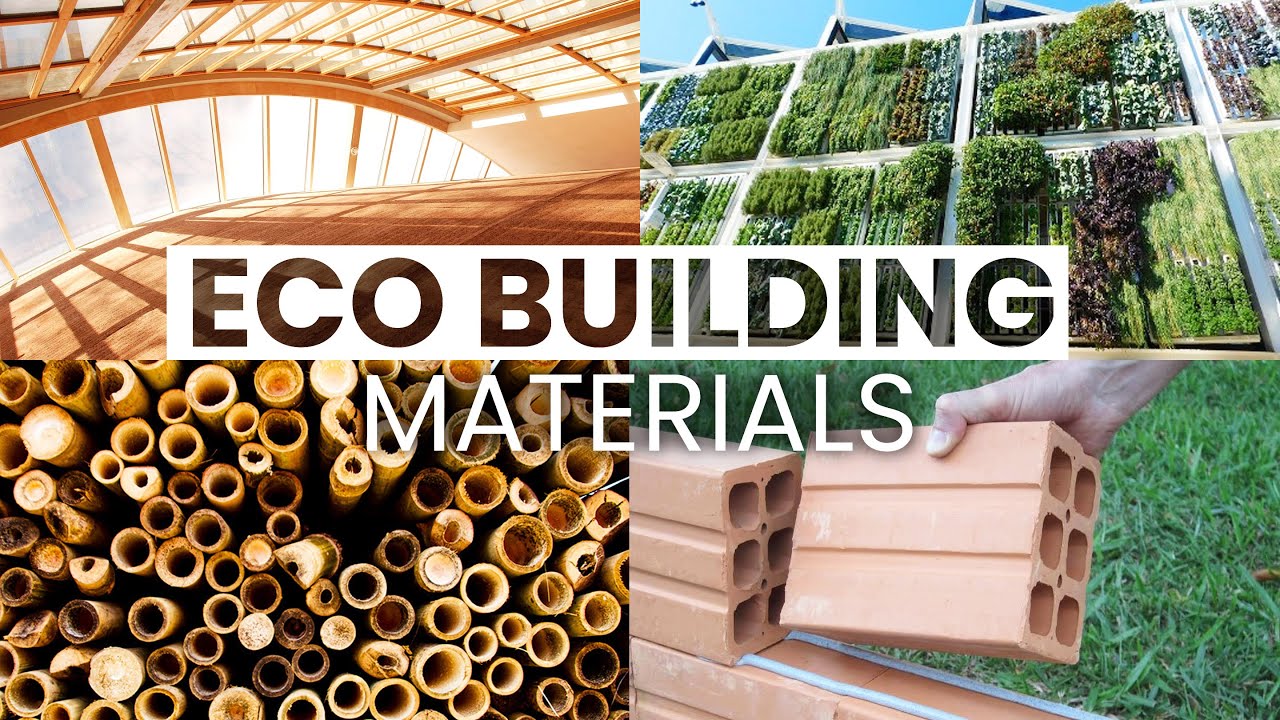
10 Eco-Friendly Building Materials | Sustainable Design

9 Building Materials of the Future | Homebuilding in 2025

Sustainable Building Materials for the Future | Eco-Friendly Construction Explained
